Overview
The Energy & Utilities industry operates within a highly regulated environment, where compliance with regulatory standards is paramount. Regulatory bodies set these standards to ensure safety, environmental protection, and reliable service delivery. For energy companies, meeting these stringent requirements can be challenging, particularly in the face of evolving regulations and technological advancements. Capacity building plays a critical role in enabling organizations to not only meet but exceed regulatory and compliance standards, ensuring sustainable and efficient operations.
Understanding Capacity Building
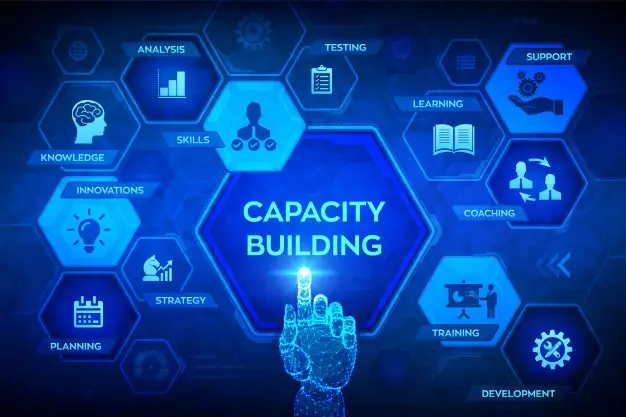
Capacity building involves developing and enhancing the skills, knowledge, and competencies of individuals and organizations. In the Energy & Utilities sector, capacity building encompasses a wide range of activities, including training programs, workshops, technical assistance, and organizational development initiatives. These efforts are designed to equip employees with the necessary expertise to navigate complex regulatory landscapes and implement best practices for compliance.
The Importance of Regulatory Compliance
Compliance with regulatory standards is essential for several reasons:
-
Safety
Ensuring the safety of workers, consumers, and the environment is a primary concern. Regulatory standards help mitigate risks associated with energy production, distribution, and consumption.
-
Environmental Protection
Regulations aim to minimize the environmental impact of energy operations, promoting sustainable practices and reducing emissions.
-
Reliability and Quality
Compliance ensures the reliable and high-quality delivery of energy services, maintaining consumer trust and satisfaction.
-
Legal and Financial Risks
Non-compliance can result in significant legal and financial penalties, including fines, litigation, and reputational damage.
Key Areas of Capacity Building for Regulatory Compliance
-
Training and Education
Ongoing training and education programs are crucial for keeping employees up-to-date with the latest regulatory requirements and industry standards. These programs should cover regulatory updates, providing regular information on new and amended regulations to ensure compliance. Technical skills training is essential, focusing on specialized areas such as safety protocols, environmental management, and quality control. Additionally, instruction on compliance procedures is necessary to guide employees through internal compliance processes and reporting requirements.
-
Technical Assistance
Technical assistance involves providing expert support to help organizations implement compliance measures effectively. Consultancy services are often employed, engaging consultants with regulatory compliance expertise to offer tailored advice and solutions. Conducting internal audits and assessments helps identify compliance gaps and areas for improvement, ensuring that organizations remain on track. Furthermore, the adoption of compliance-facilitating technologies, such as monitoring and reporting systems, can significantly enhance the organization’s ability to meet regulatory standards.
-
Organizational Development
Building organizational capacity involves creating a culture of compliance and continuous improvement. Leadership development programs are essential, training leaders to champion compliance efforts and foster a culture of accountability. Process improvement initiatives streamline operations, ensuring efficient and effective compliance management. Engaging with stakeholders, including regulatory bodies, industry associations, and other key players, helps organizations stay informed about regulatory changes and best practices, further reinforcing their compliance efforts.
Key Takeaways
Capacity building is essential for energy companies to navigate the complexities of regulatory compliance effectively. By investing in training, technical assistance, and organizational development, companies can ensure they meet regulatory standards, mitigate risks, and achieve operational excellence. In an industry characterized by constant change and stringent regulations, capacity building provides the foundation for sustainable growth, innovation, and compliance. Through proactive and strategic capacity building efforts, energy companies can not only meet but exceed regulatory expectations, driving positive outcomes for their businesses and the communities they serve.