Overview
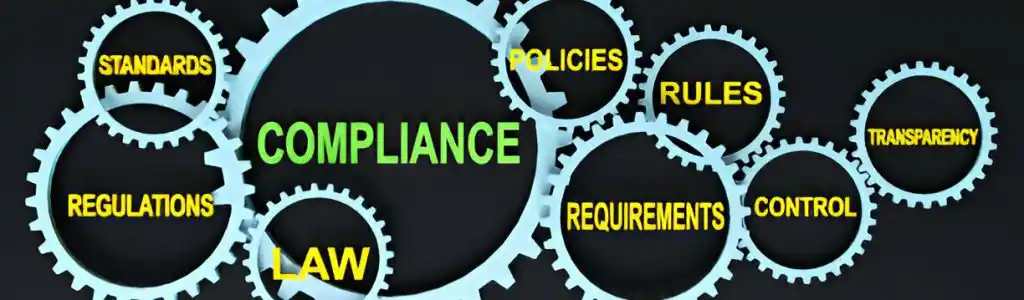
Regulatory compliance is a cornerstone of effective and ethical management in educational institutions. Adhering to regulations ensures that schools and universities operate within legal frameworks, safeguard student welfare, and maintain high standards of education. Navigating the complex landscape of regulatory requirements can be challenging, but it is essential for the integrity, reputation, and success of educational institutions. This blog explores the critical role of regulatory adherence in education and offers insights into managing compliance effectively.
Understanding the Importance of Regulatory Compliance
Educational institutions must comply with a myriad of federal, state, and local regulations. These regulations cover a wide range of areas, including student privacy, health and safety, financial aid, accreditation, and non-discrimination. Compliance is not just about avoiding legal penalties; it is about fostering a safe, inclusive, and high-quality learning environment. Regulatory adherence helps protect students’ rights, ensures equitable access to education, and upholds the institution’s credibility and public trust.
Safeguarding Student Privacy and Data Security
One of the most critical aspects of regulatory compliance in education is the protection of student privacy. Laws such as the Family Educational Rights and Privacy Act (FERPA) mandate strict guidelines for handling and safeguarding student records. Compliance with FERPA and other privacy laws ensures that students’ personal information is kept confidential and secure. In an era where data breaches and cyber threats are increasingly common, adhering to data protection regulations is crucial for maintaining trust and avoiding legal repercussions.
Ensuring Health and Safety
Compliance with health and safety regulations is vital for creating a secure environment where students can learn and thrive. Schools must adhere to guidelines set by agencies like the Occupational Safety and Health Administration (OSHA) and the Centers for Disease Control and Prevention (CDC). These regulations cover everything from building safety standards to emergency preparedness plans. Ensuring compliance with health and safety regulations helps prevent accidents, reduce risks, and protect the well-being of students and staff.
Managing Financial Aid and Funding
Financial aid compliance is another critical area for educational institutions. Regulations governing federal and state financial aid programs are complex and require meticulous management. Non-compliance can result in significant financial penalties, loss of funding, and harm to students who rely on these resources. By adhering to financial aid regulations, institutions can provide essential support to students, ensure proper use of funds, and maintain eligibility for future funding opportunities.
Maintaining Accreditation and Educational Standards
Accreditation is a formal recognition that an educational institution meets specific standards of quality and integrity. Regulatory compliance is integral to maintaining accreditation status. Accrediting bodies have stringent requirements that institutions must follow to ensure academic excellence and institutional effectiveness. Compliance with accreditation standards not only validates the quality of education provided but also enhances the institution’s reputation and attractiveness to prospective students.
Promoting Equity and Inclusion
Regulatory adherence is essential for promoting equity and inclusion within educational institutions. Laws such as the Americans with Disabilities Act (ADA) and Title IX of the Education Amendments Act ensure that schools provide equal opportunities and accommodations for all students, regardless of their backgrounds or abilities. Compliance with these regulations fosters an inclusive environment where diversity is respected and all students have the opportunity to succeed.
Implementing Effective Compliance Management
Navigating the complex web of educational regulations requires a proactive and systematic approach. Educational institutions can implement several strategies to ensure effective compliance management:
-
Regular Training and Professional Development
Providing ongoing training for staff and faculty on regulatory requirements and compliance best practices is essential. This helps ensure that everyone is aware of their responsibilities and understands how to adhere to regulations.
-
Establishing Clear Policies and Procedures
Developing and disseminating clear policies and procedures for compliance helps create a consistent approach across the institution. These policies should be regularly reviewed and updated to reflect changes in regulations.
-
Conducting Compliance Audits and Assessments
Regular audits and assessments can help identify areas of non-compliance and opportunities for improvement. These evaluations should be thorough and involve input from various stakeholders.
-
Leveraging Technology for Compliance Management
Utilizing technology tools, such as compliance management software, can streamline the tracking, reporting, and monitoring of regulatory requirements. Technology can also aid in maintaining accurate records and facilitating communication.
-
Engaging with Regulatory Agencies and Accrediting Bodies
Maintaining open lines of communication with regulatory agencies and accrediting bodies can help institutions stay informed about changes in regulations and seek guidance when needed.
Key Takeaways
Regulatory compliance is an essential component of effective educational management. By adhering to regulations, educational institutions can protect student privacy, ensure health and safety, manage financial aid, maintain accreditation, and promote equity and inclusion. Implementing a proactive compliance management strategy helps institutions navigate the complexities of regulatory requirements and uphold their commitment to providing high-quality education. In a rapidly evolving educational landscape, regulatory adherence remains a fundamental pillar for building trust, achieving excellence, and fostering a supportive and inclusive learning environment.