Overview
The retail industry is one of the most dynamic sectors, continuously evolving to meet changing consumer preferences, technological advancements, and market conditions. Staying ahead in such a competitive landscape requires retailers to not only keep up with industry trends but also to integrate these trends into their business models. This blog explores how retail industry trends play a pivotal role in shaping retail business models, driving innovation, and ensuring long-term success.
Understanding Retail Industry Trends
Retail industry trends encompass various factors, including technological advancements, consumer behavior shifts, economic changes, and regulatory developments. These trends are not isolated but often interlinked, influencing one another and collectively impacting the retail landscape. Some of the current key trends include:
-
E-commerce and Omnichannel Retailing
The rise of online shopping has transformed the retail sector. Consumers now expect a seamless shopping experience across multiple channels, including brick-and-mortar stores, online platforms, and mobile apps.
-
Personalization and Customer Experience
Modern consumers demand personalized experiences. Retailers are leveraging data analytics to understand customer preferences and deliver tailored products, services, and marketing messages.
-
Sustainability and Ethical Practices
Increasing awareness of environmental and social issues has led consumers to favor brands that prioritize sustainability and ethical practices. Retailers are adopting eco-friendly processes and transparent supply chains to meet these demands.
-
Technology Integration
Technologies such as artificial intelligence (AI), augmented reality (AR), and the Internet of Things (IoT) are revolutionizing the retail industry. These technologies enhance operational efficiency, improve customer engagement, and enable innovative retail solutions.
-
Mobile Commerce
The proliferation of smartphones has made mobile commerce a significant part of the retail industry. Consumers are using mobile devices for product research, price comparisons, and purchases, making it essential for retailers to optimize their mobile presence.
Shaping Retail Business Models
Incorporating these trends into retail business models requires a strategic approach. Here’s how each trend influences and shapes retail business models:
-
E-commerce and Omnichannel Retailing
Retailers must adopt an omnichannel approach to provide a cohesive shopping experience. This involves integrating physical stores with online platforms and ensuring consistency across all touchpoints. Business models now focus on unified inventory management, synchronizing inventory across all channels to provide real-time stock availability. A seamless customer journey is essential, allowing customers to effortlessly switch between online and offline channels without disruptions. Additionally, integrated marketing strategies utilize data from various channels to create personalized marketing campaigns that resonate with consumers, enhancing overall engagement and satisfaction.
-
Personalization and Customer Experience
Personalization has become a cornerstone of modern retail business models. Retailers are leveraging customer data to deliver bespoke experiences. Data-driven insights are utilized to gain a deep understanding of customer behavior and preferences, enabling customized offerings that cater to individual needs. Enhanced customer interaction is facilitated by implementing AI-powered chatbots and virtual assistants, providing personalized support and recommendations. This focus on personalization not only improves customer satisfaction but also fosters loyalty and long-term relationships.
-
Sustainability and Ethical Practices
Sustainability is no longer a niche concern but a mainstream expectation. Retailers are integrating sustainable practices into their business models by ensuring ethical sourcing, which involves obtaining products responsibly and transparently. Eco-friendly operations are adopted by implementing energy-efficient technologies and reducing waste. Green marketing promotes sustainable products and practices, attracting environmentally conscious consumers. By prioritizing sustainability, retailers can differentiate themselves and appeal to a growing segment of eco-aware shoppers.
-
Technology Integration
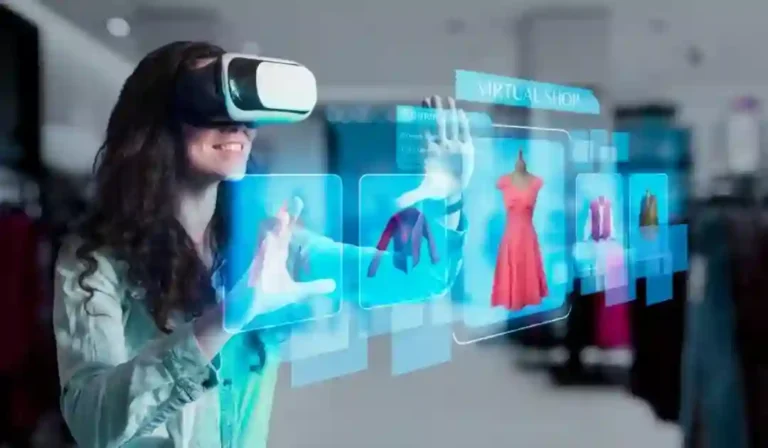
The integration of advanced technologies is reshaping retail business models. Artificial intelligence and machine learning are utilized for demand forecasting, inventory management, and personalized marketing. Augmented reality is implemented to enhance the shopping experience, such as virtual try-ons and interactive product displays. IoT and smart stores use connected devices to monitor and optimize store operations, enhance security, and improve customer experiences. This technological integration not only boosts operational efficiency but also creates innovative, engaging shopping environments.
-
Mobile Commerce
With the growing reliance on mobile devices, retailers are optimizing their business models for mobile commerce. Mobile-optimized websites ensure a responsive and user-friendly experience on mobile devices, crucial for attracting and retaining mobile shoppers. Mobile payment solutions offer various convenient payment options, enhancing the checkout process. App-based engagement involves developing mobile apps that engage customers through personalized offers, loyalty programs, and easy shopping experiences. By prioritizing mobile commerce, retailers can tap into the significant and growing market of mobile users.
Key Takeaways
Retail industry trends are not just influencing the retail landscape; they are fundamentally reshaping business models. Retailers that successfully integrate these trends into their strategies are better positioned to meet consumer demands, drive innovation, and achieve sustainable growth. As the retail industry continues to evolve, staying attuned to emerging trends and adapting business models accordingly will be crucial for maintaining a competitive edge and ensuring long-term success.